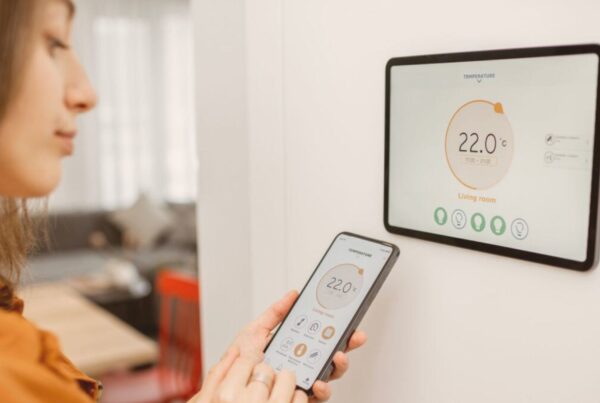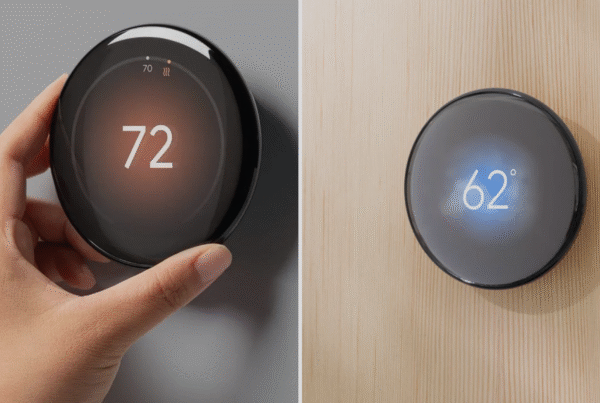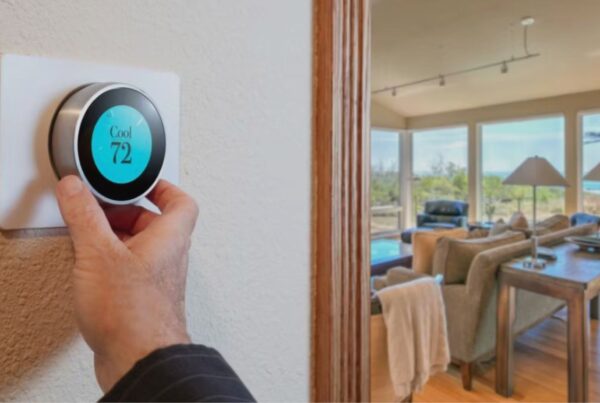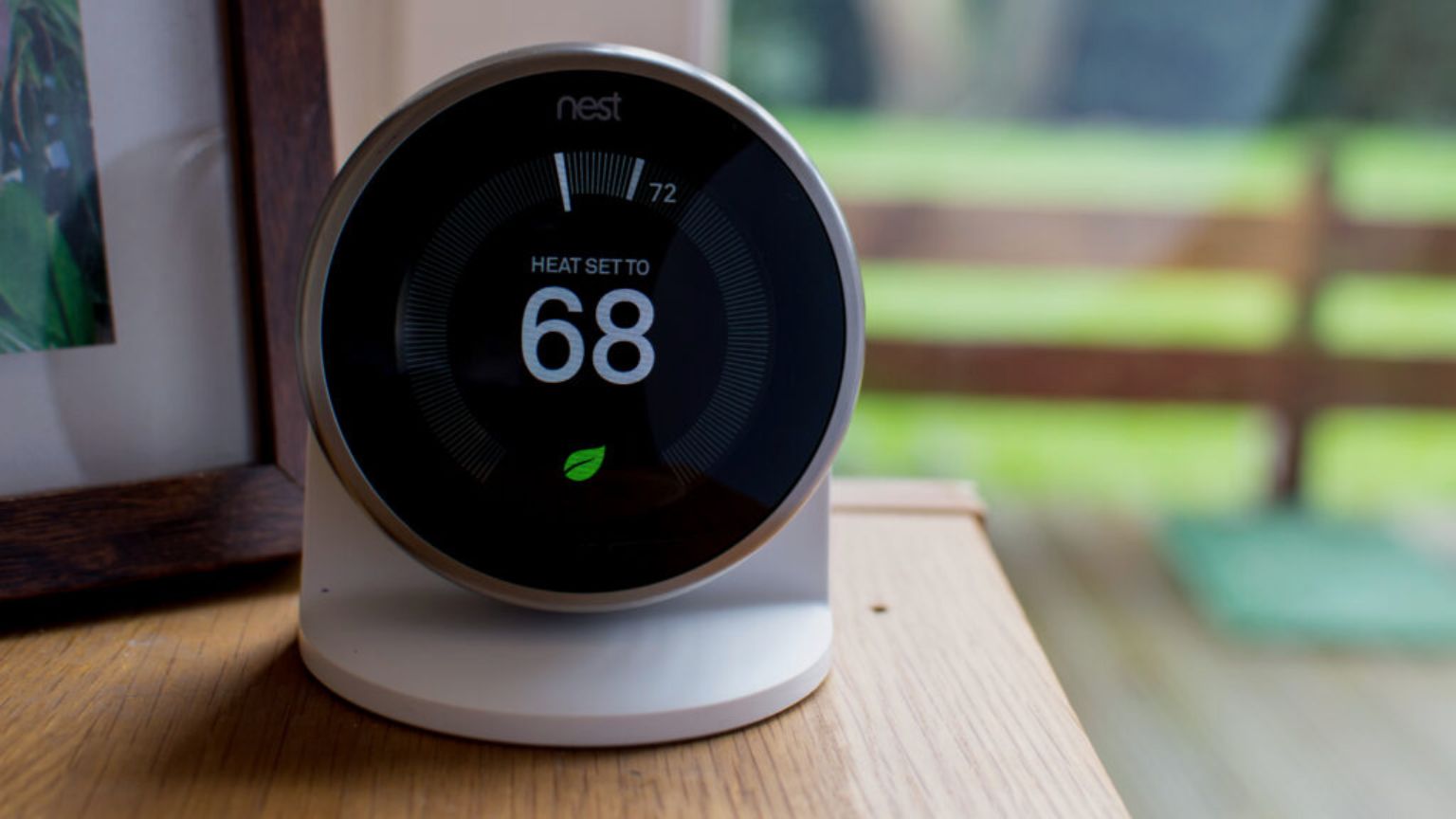
A thermostat itself draws very little power. Most wired thermostats consume between 20 and 500 milliamps (0.02 to 0.5 amps) from a 24V AC transformer circuit. Smart thermostats with Wi-Fi, displays, and sensors sit at the higher end of that range, while basic mechanical and digital models draw almost nothing. In practical terms, the thermostat’s own power consumption is negligible on your DEWA bill, adding less than 1 dirham per month even for the most power-hungry smart models.
But the question “how many amps does a thermostat use” usually comes from a deeper concern: whether your electrical system can handle the thermostat, whether you need a specific breaker size, and how the thermostat connects to your UAE home’s 220V power supply. This guide covers all of it, with specific details for the 220V, 50Hz electrical standard used across the UAE.
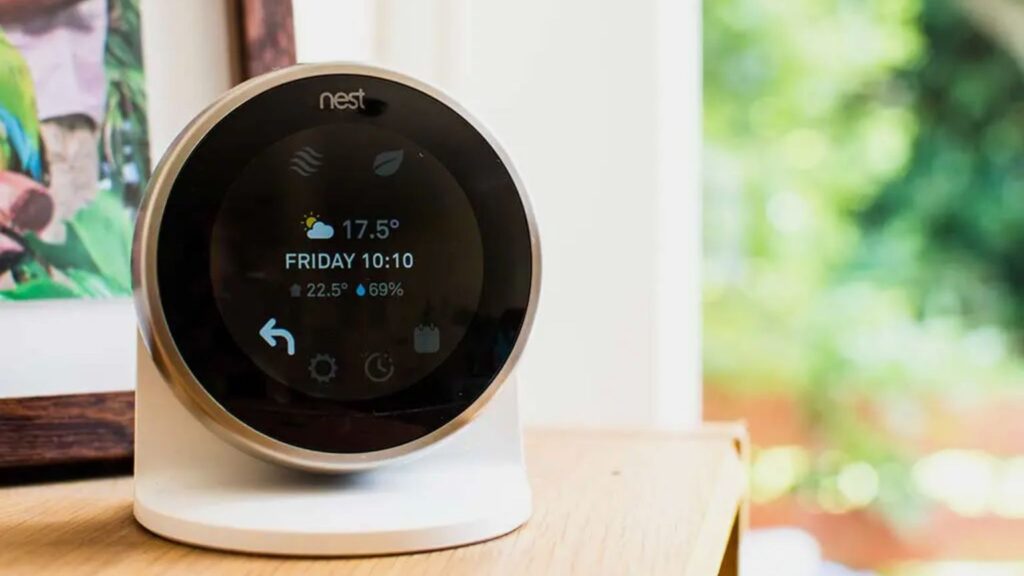
How Much Power Does a Thermostat Actually Draw
A thermostat does not connect directly to your home’s mains power. It operates on a low-voltage circuit, typically 24V AC, supplied by a small transformer that steps down your home’s 220V supply. The thermostat draws current from this 24V circuit, not from the 220V line.
The amount of current a thermostat draws depends on its type and what it is doing at any given moment. A mechanical thermostat with a simple bimetallic strip and no display draws almost zero power when idle, because the bimetallic strip is a passive component that physically bends in response to temperature changes. It only draws current at the moment it closes a relay to signal the AC to turn on, and even then, the draw is minimal.
Digital and smart thermostats draw more because they power a display, a microprocessor, temperature sensors, and (in the case of smart models) a Wi-Fi radio that maintains a constant connection to your home network. The Wi-Fi radio is the biggest power consumer in any smart thermostat. It draws current continuously to maintain the connection that allows app control and remote scheduling.
Here are the typical current draw ranges based on what we see across installations in UAE homes:
| Thermostat Type | Typical Current Draw | Annual Energy Cost (UAE) |
|---|---|---|
| Mechanical (bimetallic strip) | 5 to 50 milliamps (0.005 to 0.05A) | Less than AED 1 |
| Basic digital (no Wi-Fi) | 50 to 150 milliamps (0.05 to 0.15A) | AED 1 to 3 |
| Smart thermostat (Wi-Fi, display, sensors) | 150 to 500 milliamps (0.15 to 0.5A) | AED 3 to 8 |
| Smart thermostat with active display (Farsight, radar) | 200 to 500 milliamps (0.2 to 0.5A) | AED 5 to 10 |
These figures represent the thermostat’s own power consumption only. The AC system it controls draws 1,000 to 2,500 watts (4.5 to 11.4 amps at 220V), which is orders of magnitude more than the thermostat itself.
Why Thermostats Use 24V Instead of 220V
Thermostats use 24V AC because it is a safe low-voltage standard that allows thin thermostat wiring to carry control signals without posing an electrocution risk. In the UAE, your home’s mains supply is 220V at 50Hz. Connecting a thermostat directly to 220V would be both dangerous and unnecessary, since the thermostat only needs enough power to run its sensors, display, and relay switches.
A step-down transformer, usually located inside your AC’s air handler unit, fan coil unit, or a separate junction box, converts the 220V supply down to 24V AC. The thermostat then draws its operating current from this 24V circuit through the wiring that runs from the transformer to the thermostat’s wall-mount location.
In many UAE installations, particularly older apartments and villas, the transformer is built into the fan coil unit or ducted AC system. You may never see it because it sits inside the ceiling void with the AC hardware. In some newer installations, especially those using adapters like the DropAir iPanel, the transformer is a separate component installed alongside the adapter.
There is one important exception: some basic wall thermostats in older UAE buildings operate on 220V directly. These are typically simple on/off controllers for fan coil units that switch a relay to open or close a valve. If you are replacing one of these with a smart thermostat (which requires 24V), you will need a transformer or adapter added to the circuit. Our installation team checks for this during every pre-installation assessment.
Power Draw by Thermostat Type
How Many Amps Does a Nest Thermostat Use
The Google Nest Thermostat (budget model) draws approximately 150 to 300 milliamps during normal operation. When the display is active and the Wi-Fi radio is transmitting data (for example, during an energy report sync or a firmware update), the draw can briefly spike to 400 milliamps. When the display is off and the thermostat is idle between cooling cycles, it drops to around 100 milliamps to maintain the Wi-Fi connection and monitor the temperature sensor.
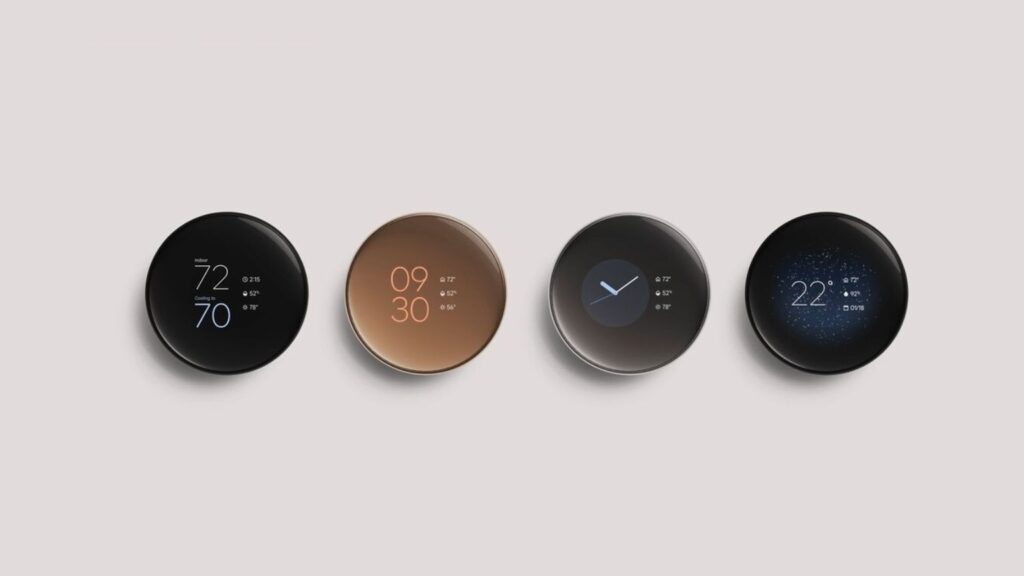
The Nest Learning Thermostat (3rd Gen) draws slightly more because of its larger display and the Farsight feature, which activates the screen when it detects motion. The newer 4th Gen model adds Dynamic Farsight with radar-based proximity sensing, which keeps the display responsive from across the room. This radar sensor adds a small but constant draw. Typical operating range for the 4th Gen is 200 to 500 milliamps. For a full comparison of all Nest models, see our Nest Learning Thermostat vs Nest Thermostat guide.
How Many Amps Does an Ecobee Thermostat Use
The Ecobee3 Lite has a larger touchscreen display than Nest, which means a slightly higher average draw during active use. Typical operating range is 200 to 400 milliamps. The Ecobee Premium model adds a built-in speaker and microphone for Alexa voice control, which increases the draw further when voice features are active. However, in standby mode (display off, just monitoring temperature and maintaining Wi-Fi), the Ecobee draws around 100 to 150 milliamps, similar to other smart thermostats.
Ecobee’s remote SmartSensors, used for multi-room temperature monitoring, are battery-powered (CR2477 coin cell) and do not draw any current from the thermostat circuit. They communicate with the thermostat via Bluetooth Low Energy, which adds a minimal draw (under 10 milliamps) to the main thermostat unit.
How Many Amps Does a Basic FCU Thermostat Use
The basic fan coil unit thermostats found in many UAE apartment towers (the plain white units with a temperature dial and fan speed buttons) typically draw 30 to 100 milliamps. These units have minimal electronics: a simple temperature sensor, a display (if digital), and relay switches that control the valve and fan motor. They do not have Wi-Fi or learning features, so their power draw is consistently low.
If you are replacing one of these basic FCU thermostats with a smart model, the power draw increase is minimal, but you may need a DropAir adapter and potentially a transformer if your existing wiring does not provide 24V.
UAE Electrical Considerations for Thermostat Installation
The UAE uses a 220V, 50Hz electrical standard with Type G plugs (the British three-pin design). This differs from the 120V, 60Hz standard used in North America, where most smart thermostat brands originate. Here is what that means for thermostat installation in UAE homes:
Transformer sizing. The 24V transformer that powers your thermostat must be rated for 220V input, not 120V. Transformers designed for the US market will burn out or produce incorrect voltage if connected to a UAE 220V supply. All transformers supplied and installed by thermostat.ae are rated for 220 to 240V input, 50/60Hz, which is the correct specification for UAE homes.
Breaker sizing. The thermostat circuit is protected by whatever breaker serves your AC system. In most UAE homes, this is a 16A or 20A MCB (miniature circuit breaker) in the distribution board. Since the thermostat draws only milliamps from the 24V side (and the transformer draws well under 1 amp from the 220V side), the thermostat adds no meaningful load to the breaker. You do not need a dedicated breaker or a larger breaker for a thermostat installation.
Wiring gauge. Thermostat wiring (the low-voltage cable between the transformer and the thermostat) is typically 18 AWG or 20 AWG multi-conductor cable. For runs up to 30 metres (covering the distance from a ceiling-mounted AC unit down through the wall to the thermostat location), 18 AWG is standard and provides sufficient current capacity for any smart thermostat on the market. For very long runs in large villas (over 30 metres), stepping up to 16 AWG prevents voltage drop that could cause intermittent power issues with the thermostat.
Never connect a 24V thermostat to 220V directly. This is the single most common and most destructive installation mistake we encounter in the UAE. Connecting a Nest or Ecobee directly to a 220V circuit without a step-down transformer will destroy the thermostat instantly and may damage the AC control board as well. If your existing thermostat wires carry 220V (common in older buildings with basic FCU controllers), a transformer must be added before a smart thermostat can be connected. Our installation cost guide includes pricing for transformer additions.
Does a Smart Thermostat Use More Electricity Than a Basic One
Yes, but the difference is irrelevant. A smart thermostat draws roughly 3 to 10 times more current than a basic mechanical or digital thermostat (300 to 500 milliamps vs 30 to 100 milliamps). In absolute terms, that is an extra 2 to 4 watts of continuous power draw. Over an entire year, that amounts to approximately 17 to 35 kilowatt-hours, which costs AED 5 to 10 at DEWA residential rates.
Meanwhile, the scheduling and home/away detection features of a smart thermostat typically save 10 to 25% on cooling costs. For a UAE apartment spending AED 500 per month on cooling during summer, that is AED 50 to 125 per month in savings. The extra AED 5 to 10 per year that the smart thermostat consumes is recovered within the first day of energy savings.
In other words, worrying about a smart thermostat’s power draw is like worrying about the fuel cost of driving to a job interview. The return on the investment is so much larger than the cost that the cost is effectively zero. For the full savings breakdown, read our guide on how to reduce your DEWA bill with a smart thermostat.
The C-Wire and Why It Matters for Power
The C-wire (common wire) provides a continuous 24V power return path from the thermostat back to the transformer. Without it, the thermostat has no dedicated power supply and must “steal” small amounts of current from the control wires whenever the AC is not running. This technique, known as power stealing, was common in early smart thermostats and still exists as a fallback in some models.
The problem with power stealing in the UAE context is that smart thermostats here run the cooling circuit far more intensively than in moderate climates. During summer months, the AC runs most of the day, leaving very little idle time for the thermostat to charge. If the thermostat cannot charge sufficiently, it reboots, loses its Wi-Fi connection, or displays a low battery warning despite being wired.
The solution is straightforward: install a C-wire. In many UAE apartments, the C-wire already exists in the cable bundle running from the AC to the thermostat location; it just was not connected at either end because the previous basic thermostat did not need it. In other cases, a new wire must be run, or an add-on C-wire adapter (like the Nest Power Connector or a third-party C-wire kit) can be installed.
The Nest Learning Thermostat 4th Gen is notable for not requiring a C-wire in most installations, which makes it one of the easiest smart thermostats to install in UAE homes with limited wiring. For homes where C-wire installation is required, our professional installation service includes running and connecting the wire as part of the standard setup.
For a deeper look at the differences between Nest models and their power requirements, see our Nest thermostat comparison guide. If you are experiencing power issues with an existing thermostat (blank screen, random reboots, Wi-Fi drops), our common thermostat issues guide covers troubleshooting steps specific to UAE installations.
Thermostat Power vs AC System Power: The Real Cost
To put the thermostat’s power draw in perspective, here is how it compares to the AC system it controls:
| Component | Power Draw (Watts) | Current at 220V (Amps) | Monthly Cost (AED) |
|---|---|---|---|
| Smart thermostat (Nest/Ecobee) | 3 to 12 watts | 0.01 to 0.05A | Less than AED 1 |
| 1.5 ton split AC (compressor running) | 1,200 to 1,500 watts | 5.5 to 6.8A | AED 180 to 280 |
| 2 ton split AC (compressor running) | 1,800 to 2,200 watts | 8.2 to 10A | AED 270 to 400 |
| Fan coil unit (fan motor only) | 40 to 120 watts | 0.18 to 0.55A | AED 6 to 18 |
The thermostat’s power consumption is roughly 0.1% to 0.5% of the AC system it controls. The real question is not “how much power does my thermostat use” but “how much power does my thermostat save.” A properly configured smart thermostat that prevents unnecessary cooling during empty hours, runs Eco temperatures when you are away, and optimizes fan cycling saves far more energy than it consumes. For a detailed look at how thermostats compare with basic AC remotes for controlling your cooling system, read our thermostat vs AC remote comparison.
Frequently Asked Questions
How many amps does a Nest thermostat draw?
A Google Nest Thermostat draws 150 to 500 milliamps (0.15 to 0.5 amps) from the 24V transformer circuit, depending on the model and whether the display is active. At the wall outlet, this translates to approximately 0.01 to 0.05 amps from the 220V supply. The annual electricity cost of running a Nest thermostat in the UAE is less than AED 10.
Do I need a special breaker for a smart thermostat in the UAE?
No. A smart thermostat draws less than 1 amp from the 220V side (through its transformer). Your existing AC circuit breaker (typically 16A or 20A MCB) has more than enough capacity. No dedicated breaker or wiring upgrade is needed for the thermostat itself.
Can I connect a Nest or Ecobee directly to 220V in my UAE home?
Absolutely not. Nest and Ecobee thermostats are designed for 24V AC low-voltage circuits. Connecting them to 220V mains power will instantly destroy the thermostat and may damage your AC control board. A 220V to 24V step-down transformer is required. All installations by thermostat.ae include the correct transformer for UAE electrical standards.
Does a smart thermostat use more electricity than a basic one?
Yes, but the difference is negligible. A smart thermostat draws 3 to 12 watts compared to under 1 watt for a basic mechanical model. That extra draw costs AED 5 to 10 per year. Meanwhile, the smart thermostat’s scheduling and Eco features save AED 50 to 125 per month on cooling in a typical UAE apartment. The energy savings outweigh the additional draw by a factor of 50 to 100.
What is a C-wire and why do I need one for my smart thermostat?
The C-wire (common wire) provides a continuous 24V power return path from the thermostat to the transformer. Without it, the thermostat must steal small amounts of power from control wires during idle periods. In the UAE, where ACs run almost continuously during summer, there is very little idle time for charging, which causes reboots and Wi-Fi disconnections. A C-wire eliminates this problem. Most professional installations include C-wire setup as standard.
What voltage does my thermostat wiring carry in a UAE home?
It depends on the system. Modern smart thermostat installations use 24V AC low-voltage wiring. However, some older UAE buildings have 220V wiring running to the thermostat location, especially for basic fan coil unit controllers. Before replacing any thermostat, the wiring voltage must be verified. Our technicians check this during every installation and add a transformer if 220V to 24V conversion is needed.
How much does it cost to install a thermostat with proper wiring in the UAE?
A standard smart thermostat installation (including mounting, wiring, C-wire connection, and app configuration) starts from AED 350 in Dubai. Installations that require a new transformer, adapter (like the DropAir iPanel), or extended wiring runs cost more. See our full installation cost breakdown for pricing by service tier.
Need help with thermostat wiring or installation? Our technicians handle transformer additions, C-wire installations, and full smart thermostat setups across Dubai, Abu Dhabi, Sharjah, and every other emirate. Message us on WhatsApp at +971 50 633 7803 with a photo of your current wiring and we will confirm what is needed before booking.