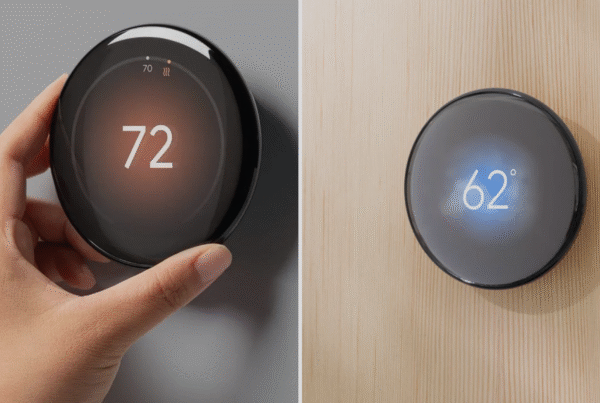
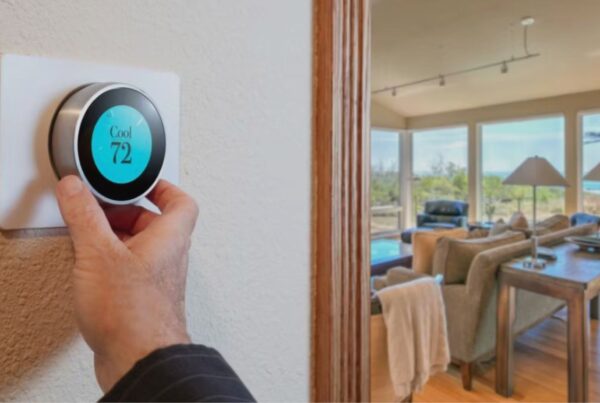
Living in the UAE means your thermostat works harder than almost anywhere else on earth. When outdoor temperatures push past 48 degrees Celsius and your AC runs 18 hours a day for six months straight, even a small thermostat problem can escalate quickly. A room that will not cool down, a DEWA bill that spikes for no obvious reason, or an AC that cycles on and off every few minutes are all signs that something is wrong.
Most thermostat problems we see during service calls at thermostat.ae fall into six categories. Each one has specific causes, and most have straightforward fixes if you catch them early. Here is what they are, why they happen in the UAE specifically, and what you can do about each one.
1. The Temperature Reading Is Wrong (Calibration Drift)
This one is deceptively common. Your thermostat says the room is 23 degrees, but it feels closer to 27. Or the AC keeps running long after the room is already cold. The culprit is usually calibration drift, where the thermostat’s temperature sensor gradually becomes less accurate over time and the readings diverge from reality.
Why it happens in the UAE:
Heat radiating through walls. If your thermostat is mounted on an exterior-facing wall (common in older Dubai apartments), it absorbs heat from outside and reads higher than the actual room temperature. The AC then overcompensates, running longer than necessary.
Direct sunlight hitting the thermostat during part of the day, even briefly, can skew readings by 2 to 4 degrees Celsius.
Age and wear. Older mechanical and digital thermostats lose accuracy naturally. After five or more years of continuous UAE use, drift of 1 to 3 degrees Celsius is typical.
What to do: Place a standalone digital thermometer next to your thermostat and compare readings over 24 hours. If they differ by more than 1.5 degrees consistently, it is time for recalibration or replacement. Some smart thermostats (including Ecobee and Nest) let you apply a temperature offset in the app to correct minor drift without replacing the unit.
If your thermostat is older than seven or eight years, replacing it with a modern smart thermostat is usually more cost-effective than attempting recalibration on outdated hardware. Smart models from Google Nest and Ecobee have more accurate sensors and automatic calibration checks built into their firmware.
2. The Thermostat Goes Blank or Keeps Restarting (Power Problems)
A thermostat that goes dark, restarts randomly, or loses its settings is almost always a power issue. In battery-powered models, this is straightforward: the batteries are dead. But in wired thermostats (which make up the majority of UAE installations), the causes are more varied and harder to diagnose without tools.
Why it happens in the UAE:
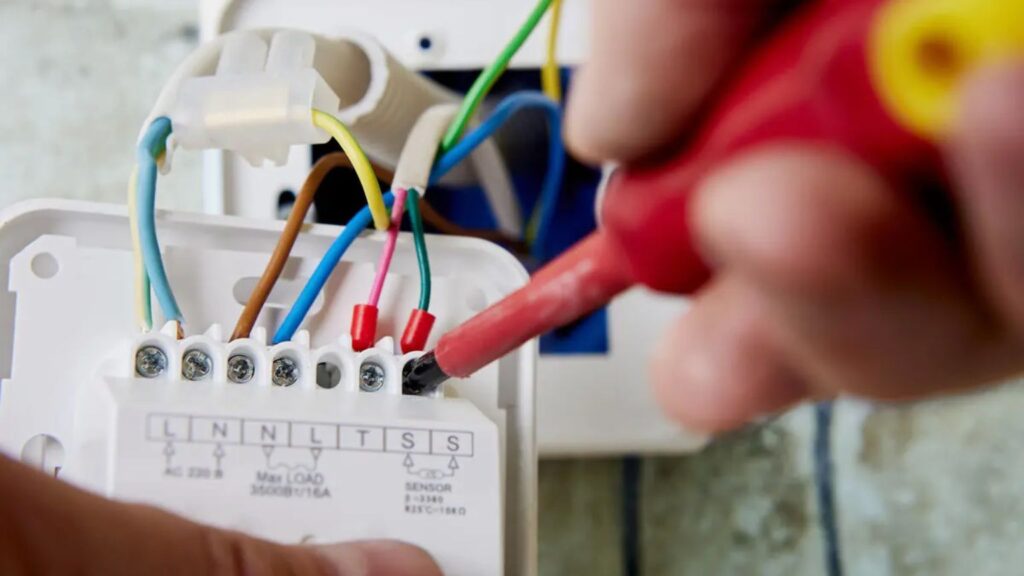
Loose wiring connections. UAE buildings experience thermal expansion and contraction from extreme temperature swings between the air-conditioned interior and the scorching exterior. Over months and years, this movement can loosen wire terminals behind the thermostat. A wire that looks connected can actually have a marginal contact that intermittently drops power.
Power fluctuations. Voltage spikes and dips are common in some UAE areas, particularly during peak summer when the electrical grid is under heavy load. Smart thermostats are sensitive electronics. A spike can cause resets, and in worst cases, permanent circuit damage.
Missing or failing C-wire. Many smart thermostats need a common wire (C-wire) for continuous 24V power. If the original installation skipped this wire or used a workaround (like a power-stealing circuit), the thermostat may intermittently lose power. This is especially common under the sustained cooling load of UAE summer operation, when the thermostat draws more power for longer periods.
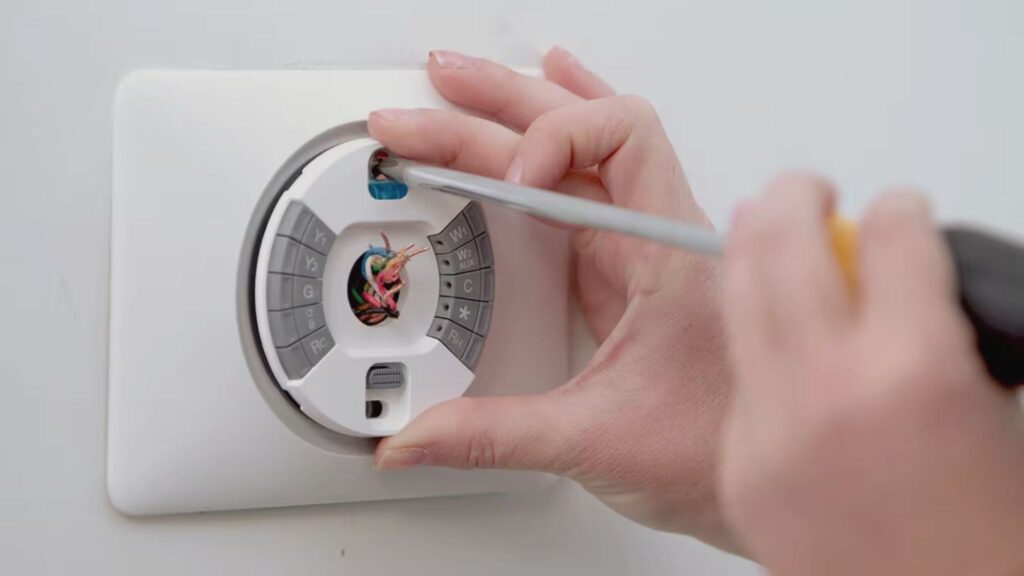
What to do: For battery-powered thermostats, swap the batteries (usually AA or CR2032 depending on your model) and see if the problem resolves. For wired units, check whether the circuit breaker for your AC or fan coil unit has tripped. Beyond that, opening the wall plate to inspect wiring requires a qualified technician. Incorrect reconnection can short-circuit the thermostat or the AC control board.
If you experience repeated power issues with a wired thermostat, two things typically solve it for good: a surge protector on the AC circuit, and a proper C-wire installation if one is missing. Both are standard parts of our professional thermostat installation service. We also cover power-related troubleshooting in our guide on why your thermostat keeps turning off.
3. Inaccurate Readings from Dust and Sand (Sensor Contamination)
If you have lived in the UAE for any length of time, you know dust is inescapable. It gets into everything, and your thermostat is no exception. Fine dust and sand particles settle on the temperature sensor over months, creating an insulating layer that prevents accurate temperature readings. The thermostat thinks the room is a different temperature than it actually is, and adjusts the AC accordingly.
What this looks like in practice: Your AC runs longer than it should. Your room feels either too cold or too warm despite the thermostat showing the correct setpoint. Your electricity bill creeps up without any change in your habits or schedule.
Why it is worse in the UAE than elsewhere: Dubai and Abu Dhabi have some of the highest ambient dust levels of any major city. Properties near construction sites, open desert areas (Al Ain, parts of Sharjah and Ajman), or coastal areas with high humidity (which makes dust stick to surfaces more aggressively) are particularly affected. During shamal wind events, a single day can coat indoor surfaces, including your thermostat, with a visible layer of fine sand.
What to do: Every three to four months, gently wipe the thermostat exterior with a dry microfibre cloth. If you can safely remove the faceplate (check your model’s manual first), use a soft brush or compressed air to clean around the sensor area. Avoid using any moisture. Water and thermostat electronics do not mix.
For smart thermostats with external room sensors (like the Ecobee3 Lite with its SmartSensor, or the Nest Learning Thermostat 4th Gen with its included temperature sensor), clean the remote sensors too. They are often placed on shelves or side tables where dust accumulates even faster than on wall-mounted units. A dusty remote sensor defeats the purpose of having multi-room temperature monitoring in the first place.
4. Short Cycling and Erratic Behaviour (Installation Problems)
Short cycling is when your AC turns on for a few minutes, shuts off, then turns on again almost immediately. It is one of the most common complaints we hear from UAE residents. The cycling is uncomfortable (the room never reaches a stable temperature), it wastes energy, and it puts enormous mechanical stress on your compressor, shortening the life of your AC unit significantly.
More often than not, the root cause is poor thermostat installation. This is especially common in properties where the original thermostat was installed by a general handyman rather than an HVAC specialist, or where a homeowner attempted a DIY smart thermostat swap without fully understanding the wiring differences between UAE and North American systems.
Common installation mistakes in UAE properties:
Incorrect wiring to the fan coil unit. UAE fan coil systems typically use a different wiring convention than North American HVAC systems. Following YouTube tutorials designed for US homes to install a Nest or Ecobee can result in reversed heating/cooling signals, non-functional fan speed control, or short cycling. The wire colours and terminal designations are not the same.
Missing or incorrect voltage conversion. Connecting a 24V thermostat directly to a 220V supply without a step-down transformer will destroy the thermostat instantly. We have seen this happen repeatedly with DIY installations in Dubai and Sharjah villas. The thermostat needs a transformer or a compatible adapter like the DropAir iPanel to bridge the voltage gap safely.
Thermostat mounted in a poor location. Placed near a kitchen, in direct sunlight, or directly below an air supply vent. All of these feed the sensor false temperature data and cause the AC to cycle erratically as it tries to respond to readings that do not reflect the actual room temperature.
What to do: If your thermostat was installed recently and the problems started soon after, the installation itself is the most likely culprit. A professional reinstallation that addresses wiring, voltage, and placement typically resolves short cycling completely. Book a professional installation and our team will assess the full setup on-site. If you want to understand typical costs before booking, read our smart thermostat installation cost guide for UAE.
5. Features That Do Not Work (HVAC Compatibility Mismatch)
You install a new Nest or Ecobee, but the fan speed control does not work. Or the scheduling turns the AC on, but only on the lowest fan setting. Or the thermostat connects to Wi-Fi fine but cannot actually control the cooling at all. This is a compatibility mismatch: the thermostat and your HVAC system are not speaking the same language.
Why this is particularly common in the UAE:
District cooling systems. Many Dubai and Abu Dhabi buildings use centralised chilled water from providers like Empower or Tabreed. The fan coil units in these buildings use specific valve and motor configurations that not every smart thermostat supports natively. The thermostat may be able to turn the fan on and off, but it cannot control the chilled water valve properly, meaning you get airflow but no actual cooling.
Modulating actuator motors. Some newer UAE buildings use modulating actuators that open and close gradually (proportional control) rather than simple on/off valves. A thermostat designed for on/off control will not work properly with a modulating system. It will either run the valve fully open or fully closed, with no in-between, resulting in temperature overshoot and undershoot.
Split AC and VRF systems. Wall-mounted split ACs and VRF (Variable Refrigerant Flow) systems use proprietary communication protocols between indoor and outdoor units. A standard 24V smart thermostat cannot send the right signals to these systems. This is where a DropAir adapter becomes necessary. The adapter translates the thermostat’s 24V signals into commands your specific AC system understands.
What to do: Always verify compatibility before buying. At thermostat.ae, we can check whether a specific thermostat will work with your system, usually within 15 to 30 minutes. Send us a WhatsApp message with a photo of your current thermostat (front and wiring), plus your building name, and we will tell you exactly what is compatible.
If you already own a smart thermostat that is not compatible with your split AC, the DropAir iPanel (for fan coil and ducted systems) or DropAir Mini 6s (for wall-mounted split ACs) can bridge the compatibility gap. For a broader look at which thermostat brand works best for UAE homes, check our brand comparison guide.
6. Wi-Fi Dropouts and Frozen Screens (Software and Firmware Issues)
Smart thermostats are small computers running software. And like any computer, they occasionally freeze, lose their Wi-Fi connection, or behave oddly after a software update. This is particularly frustrating when it happens during a UAE summer and you cannot control your AC from the app while you are at work.
The most common software-related problems:
Wi-Fi disconnection. The thermostat drops off your network and will not reconnect. This is often caused by the thermostat being at the edge of your router’s range, interference from thick concrete walls (very common in UAE apartment towers), or a router firmware update that changed network settings like the security protocol or channel.
Firmware update failures. Smart thermostats update their firmware automatically over Wi-Fi. If an update fails midway through (due to a power flicker or Wi-Fi dropout during the download), the thermostat can get stuck in a boot loop or lose its saved settings entirely.
Nest-specific issue. The Nest 3rd Gen (still widely installed in UAE homes) is known for occasionally going offline and requiring a manual restart. It is worth noting that Google ended software support for the 1st and 2nd Gen Nest Learning Thermostats in October 2025. Those units no longer receive updates or security patches. If you are still using a 1st or 2nd Gen model, upgrading is no longer optional, it is a matter of security and reliability.
What to do:
For Wi-Fi issues: Restart both your router and the thermostat. If the problem recurs, check whether your router is broadcasting a 2.4GHz network. Most smart thermostats only connect to 2.4GHz and will not see a 5GHz-only network. If your thermostat is far from the router, adding a Wi-Fi extender or mesh node near the thermostat often fixes chronic disconnection problems. For more detail, read our guide to how Wi-Fi thermostats work.
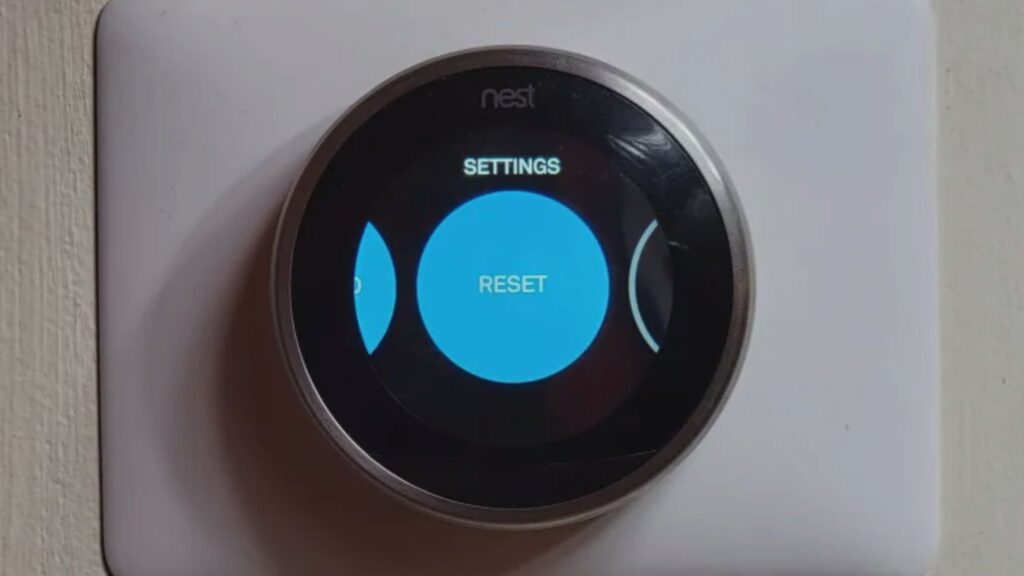
For frozen screens: Most smart thermostats have a hard reset procedure (holding a specific button for 10 or more seconds). Check your model’s manufacturer instructions. If a factory reset is needed, you will lose your schedules and settings, so back them up in the app first. Our thermostat reset guide walks through the process for Nest, Ecobee, and Honeywell models.
For outdated firmware or discontinued models: Make sure automatic updates are enabled in your thermostat app. If your thermostat is a 1st or 2nd Gen Nest that has reached end of support, we carry the Nest Thermostat (current generation) and the Nest Learning Thermostat 3rd Gen as replacement options. Our Nest model comparison can help you decide which replacement fits your needs.
When to Fix vs When to Replace Your Thermostat
Not every thermostat issue requires a brand new unit. Here is a practical framework for deciding:
Fix it if the problem is dust buildup on the sensor, dead batteries, a single loose wire behind the wall plate, or a Wi-Fi configuration issue. These are inexpensive repairs that a technician can resolve in a single visit, usually for AED 150 to 350 depending on the complexity.
Replace it if the thermostat is older than seven to eight years and showing persistent calibration drift beyond 2 degrees, if it is fundamentally incompatible with your HVAC system, if it is a discontinued model that no longer receives software or security updates, or if the cost of repair approaches the cost of a new unit.
A new smart thermostat with professional installation starts around AED 530 to 700 depending on the model and your wiring situation. Given that a smart thermostat can reduce your DEWA bill by 10 to 25 percent through scheduled cooling and home/away detection, the payback period on a replacement is typically less than one summer in most UAE homes.
For homeowners looking for the most affordable entry point, our guide to the cheapest smart thermostats in Dubai covers budget-friendly options that still deliver genuine energy savings.
Frequently Asked Questions
Why does my thermostat show the wrong temperature?
The most common cause is calibration drift, where the sensor gradually loses accuracy over time. In the UAE, heat radiating through exterior walls, direct sunlight on the thermostat, and dust buildup on the sensor all contribute to incorrect readings. Place a standalone thermometer next to the thermostat and compare. If the gap is consistently more than 1.5 degrees, you need recalibration or a replacement.
Why does my AC keep turning on and off every few minutes?
This is called short cycling, and it is usually caused by poor thermostat installation. Common culprits include incorrect wiring (especially when a thermostat designed for US systems is installed on a UAE fan coil unit), the thermostat being placed too close to an air vent or heat source, or a missing C-wire causing intermittent power loss. A professional reinstallation typically solves it.
How often should I clean my thermostat in the UAE?
Every three to four months, wipe the exterior with a dry microfibre cloth. If you can remove the faceplate safely, use a soft brush or compressed air to clean around the sensor. During shamal season or if you live near a construction site, clean it monthly. For smart thermostats with remote sensors (Ecobee, Nest), clean the sensors too.
Can I install a Nest thermostat on my split AC without an adapter?
No. Nest thermostats use 24V HVAC wiring, which split AC systems in the UAE do not have. You need a DropAir Mini 6s adapter (for wall-mounted splits) or a DropAir iPanel (for fan coil and ducted systems) to bridge the connection. Installing a Nest directly on a 220V circuit without a transformer will destroy the thermostat.
Is it worth repairing an old thermostat or should I replace it?
If the repair is simple (dust cleaning, battery swap, loose wire), fix it. If the thermostat is older than seven years, has persistent temperature drift, is incompatible with your AC, or has been discontinued by the manufacturer, replace it. A new smart thermostat typically pays for itself within one summer through energy savings on your DEWA bill.
My smart thermostat keeps losing Wi-Fi. What should I do?
First, check that your router broadcasts a 2.4GHz network (most smart thermostats do not connect to 5GHz). Restart both the router and the thermostat. If the problem recurs, thick concrete walls in UAE apartment towers may be blocking the signal. Add a Wi-Fi extender or mesh node near the thermostat. Also check that your router firmware has not recently changed the security protocol.
Does thermostat.ae offer repair and diagnostic services?
Yes. Our technicians diagnose thermostat issues on-site across Dubai, Abu Dhabi, Sharjah, and all other Emirates. We check wiring, sensor accuracy, compatibility, and software health. If repair is not cost-effective, we recommend the right replacement and can install it during the same visit. WhatsApp us for a quick consultation.
Jared is a passionate thermostat enthusiast who loves installing and repairing all kinds of thermostats. He has been living and working in Dubai, UAE for the last 10 years and has become highly skilled in thermostat installation.
Previous PostHow To Reduce Your DEWA Bill with a Smart Thermostat in 2026
Next PostCan AC Work Without a Thermostat? The Surprising Truth