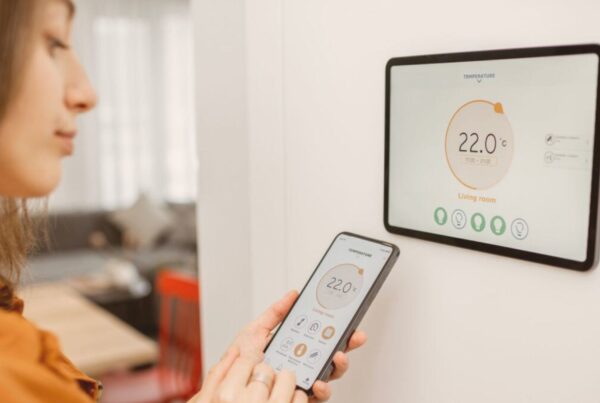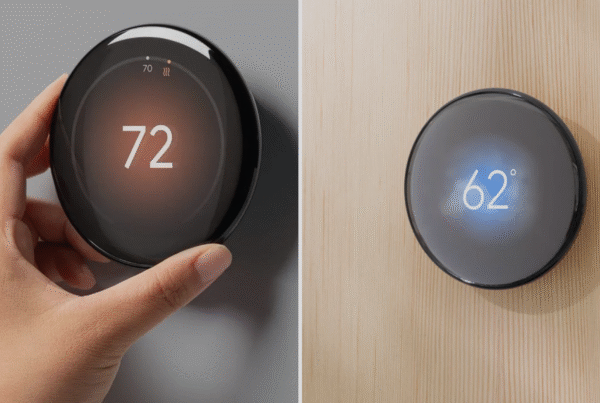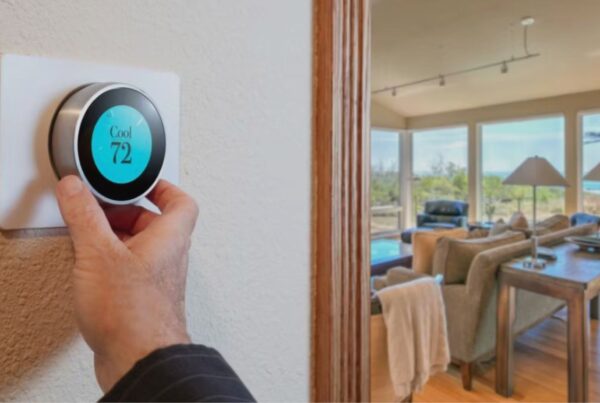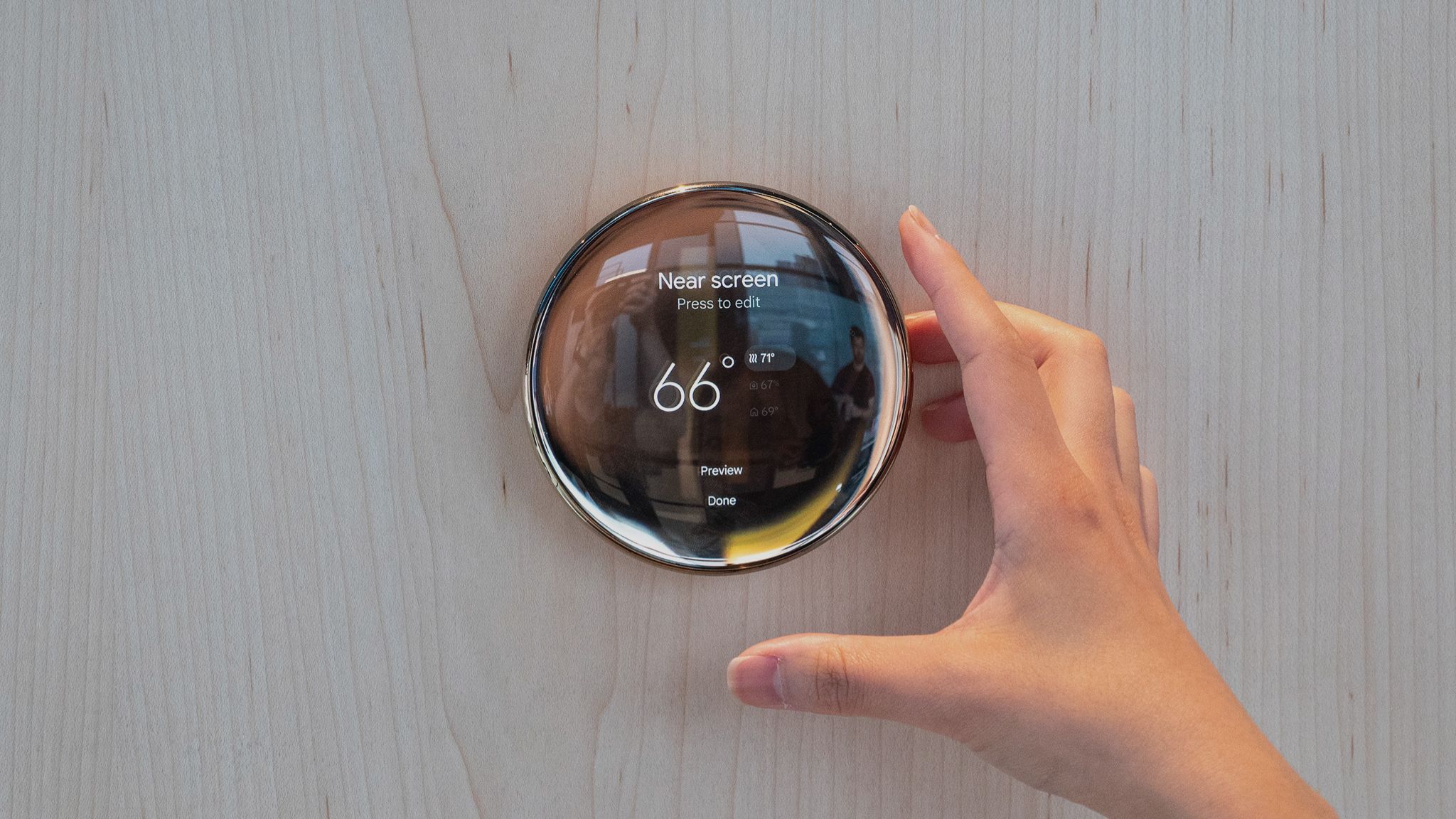
The best smart thermostat for your UAE home is not a universal answer. It depends on three things: what type of AC system you have, how large your home is, and how much you want to spend. A Nest Learning Thermostat that works perfectly in a villa with ducted AC will not even connect to a split AC without an adapter. An Ecobee with room sensors is ideal for a large apartment with uneven cooling, but adds unnecessary cost for a studio where single-zone control is more than enough.
We install smart thermostats across every type of UAE property, from studio apartments in Dubai Marina to six-bedroom villas in Al Barsha and Khalifa City. Based on over 500 installations, this guide walks you through the decision based on your specific home setup, not generic brand marketing.
Step 1: Identify Your AC System Type
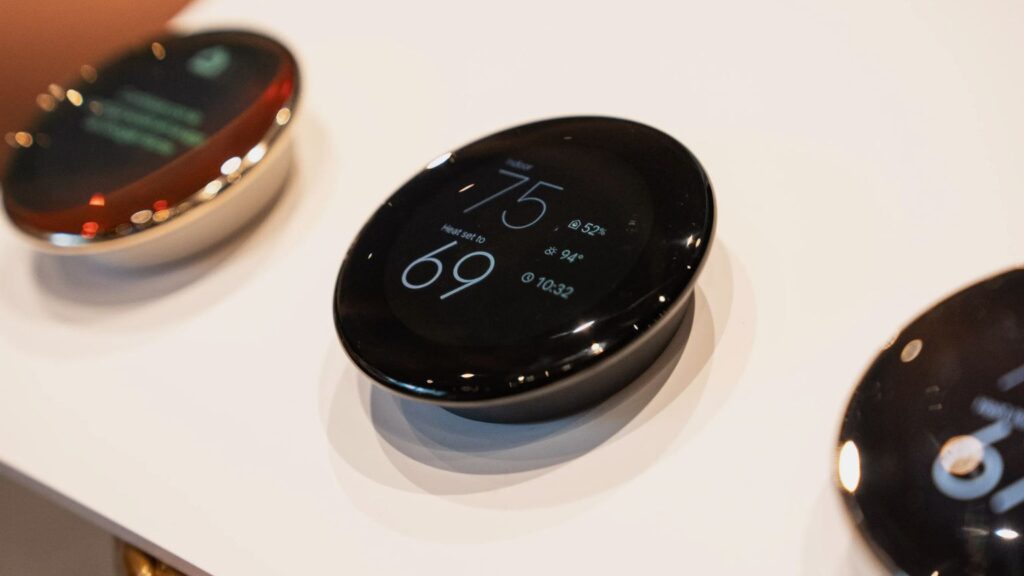
Your AC system type determines which thermostats you can use and whether you need an adapter. Before looking at brands or features, identify which of these four system types is installed in your home. If you are not sure, send a photo of your current thermostat or wall controller on WhatsApp and our team will identify it within minutes.
Split AC (wall-mounted indoor unit with outdoor compressor). The most common AC type in UAE apartments and smaller villas. The indoor unit hangs on the wall and has its own remote control. Split ACs use proprietary communication protocols between the indoor and outdoor units, not the standard 24V wiring that smart thermostats require. To add a smart thermostat, you need a DropAir Mini 6s adapter installed inside the indoor unit. Without the adapter, no Nest, Ecobee, or Honeywell thermostat will connect.
Fan coil unit (FCU) with district cooling. Common in newer Dubai towers (Marina, JBR, Downtown, Palm Jumeirah) and Abu Dhabi high-rises connected to Empower or Tabreed. An FCU uses chilled water piped from a central plant. The wall thermostat controls a water valve and fan motor. Most FCUs can work with smart thermostats through a DropAir iPanel adapter, which creates the standard 24V interface the thermostat needs.
Ducted AC system. Found in larger villas and some townhouses. The indoor unit sits in the ceiling void and distributes cooled air through ducts. Many ducted systems already use 24V wiring, which means a smart thermostat can connect directly without an adapter. American brands like Carrier, Trane, York, and Lennox almost always use 24V. Japanese brands (Daikin, Mitsubishi) sometimes use proprietary wiring that requires an adapter.
VRF/VRV system (Variable Refrigerant Flow). Used in premium villas and commercial properties. VRF systems use digital communication protocols and typically require brand-specific controllers. Smart thermostat compatibility is limited and must be verified on a case-by-case basis.
For a deeper explanation of how adapters bridge the compatibility gap, read our DropAir adapter compatibility guide.
Step 2: Match the Thermostat to Your AC Type
Once you know your AC type, here is which thermostat setup works for each scenario:
| Your AC System | Recommended Thermostat | Adapter Needed | Total Components |
|---|---|---|---|
| Split AC (wall-mounted) | Nest Thermostat or Ecobee3 Lite | DropAir Mini 6s | Thermostat + adapter |
| Fan coil unit (Empower/Tabreed) | Nest Thermostat, Ecobee3 Lite, or Nest Learning Thermostat | DropAir iPanel | Thermostat + adapter |
| Ducted AC (24V wiring) | Any Nest, Ecobee, or Honeywell model | None (direct connection) | Thermostat only |
| Ducted AC (proprietary wiring) | Any 24V smart thermostat | DropAir iPanel | Thermostat + adapter |
| VRF/VRV system | Verify with thermostat.ae first | Case-by-case | Depends on brand |
The key takeaway: if you have a ducted system with 24V wiring, you have the widest selection and the simplest installation. If you have a split AC or FCU, the adapter choice is already made for you (Mini 6s for splits, iPanel for FCUs), and your decision narrows to which smart thermostat brand you prefer on the wall.
Step 3: Choose Based on Home Size and Layout
Home size and layout determine whether you need multi-room sensing, automatic scheduling, or just basic smart control. Here is the practical breakdown:
Studio and One-Bedroom Apartments (Up to 80 sqm)
A single AC zone covers the entire space. You do not need room sensors or complex multi-zone scheduling. The Nest Thermostat (budget model) is the best fit here. It provides app control through Google Home, home/away detection using your phone’s location, energy usage reports, and voice control through Google Home or Alexa speakers. It costs less than the Learning models and still delivers the core smart features that make a difference on your DEWA bill.
If you have a split AC (most studios do), pair it with a DropAir Mini 6s. Total setup: one thermostat, one adapter, one installation visit.
Two to Three Bedroom Apartments (80 to 200 sqm)
Medium-sized apartments often have two or three AC zones (split units or FCUs). Temperature can vary significantly between rooms, especially between sun-facing and shaded sides of the building. This is where a thermostat with room sensor support starts to add value.
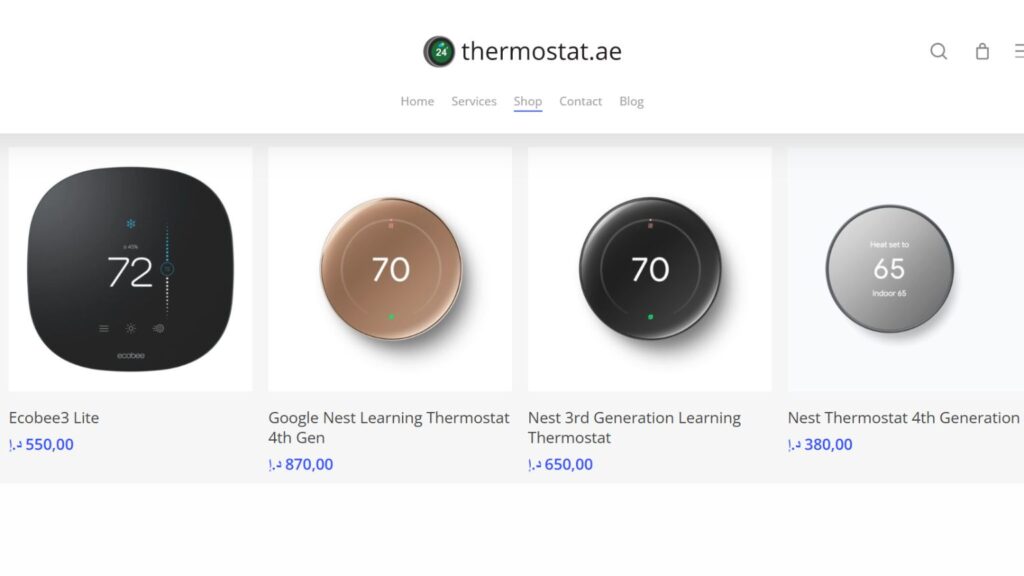
The Ecobee3 Lite comes with support for remote SmartSensors (sold separately) that you can place in different rooms. The thermostat uses these sensors to balance temperature across the apartment, prioritizing the room you are actually in rather than just reading the temperature at the thermostat’s location on the wall.
Alternatively, the Nest Learning Thermostat (3rd Gen) or the newer 4th Gen both support Nest Temperature Sensors. The 4th Gen includes one sensor in the box, saving you the cost of buying it separately. For a detailed comparison of all Nest models, see our Nest thermostat comparison guide.
Each AC unit in the apartment needs its own thermostat and adapter. A two-bedroom with three split ACs needs three complete setups.
Villas (200+ sqm, Multiple Zones)
UAE villas typically have four to eight AC zones, often a mix of ducted systems on the ground floor and split units in bedrooms. Family members come and go at different times, schedules vary between weekdays and weekends, and different rooms need different temperatures throughout the day.
For villas, the Nest Learning Thermostat (4th Gen) is the strongest option. Its Smart Schedule learns the patterns of each zone independently, the included temperature sensor lets you prioritize specific rooms, and the Adaptive Eco mode adjusts away temperatures based on weather and your home’s thermal characteristics rather than using a fixed setting. Apple HomeKit support (which the 3rd Gen lacks) is also relevant for villa owners who use Apple’s Home app to manage lights, locks, and other smart home devices.
For ducted zones with 24V wiring, the Nest or Ecobee connects directly. For split AC zones, each needs a DropAir Mini 6s adapter. During our villa installations, we typically configure all thermostats within a single Google Home or Ecobee app so you can control every zone from one screen.
Step 4: Factor in Your Budget
The total cost of a smart thermostat setup in the UAE includes three components: the thermostat, the adapter (if needed), and the installation labor. Here is how the numbers break down for a single zone:
| Setup | Best For | Components |
|---|---|---|
| Budget | Studios, 1-bed apartments, renters | Nest Thermostat + DropAir Mini 6s (splits) or DropAir iPanel (FCU) + installation |
| Mid-range | 2-3 bed apartments, townhouses | Ecobee3 Lite or Nest 3rd Gen + adapter + SmartSensor/Temp Sensor + installation |
| Premium | Villas, large homes, Apple users | Nest Learning 4th Gen + adapter (if split) + included temp sensor + installation |
For exact pricing on every thermostat and adapter, browse our full product range. For installation costs broken down by service tier and AC type, see our smart thermostat installation cost guide.
On the savings side: a smart thermostat in a typical UAE apartment saves AED 50 to 150 per month during summer months through scheduled cooling and home/away detection. Even the premium setup pays for itself within one cooling season. Read our full DEWA bill savings guide for detailed calculations by home size.
Quick Reference: Best Thermostat by UAE Home Type
Based on our installations across all seven Emirates, here is the most popular and best-performing thermostat for each common UAE home type:
| Home Type | Typical AC System | Best Thermostat | Adapter |
|---|---|---|---|
| Studio apartment (Dubai Marina, JBR) | Fan coil unit (Empower) | Nest Thermostat | DropAir iPanel |
| 1-bed apartment (Downtown, Business Bay) | Fan coil unit (Empower) | Nest Thermostat | DropAir iPanel |
| 2-bed apartment (Sharjah, Ajman) | Split AC (2 to 3 units) | Ecobee3 Lite per unit | DropAir Mini 6s per unit |
| 3-bed townhouse (Arabian Ranches, JVC) | Ducted AC (24V wiring) | Nest Learning 3rd Gen | None needed |
| 4+ bed villa (Al Barsha, Khalifa City) | Mixed ducted + split | Nest Learning 4th Gen (ducted) + Nest Thermostat (splits) | DropAir Mini 6s for splits only |
| Older apartment (Deira, Bur Dubai) | Split AC (window or wall) | Nest Thermostat | DropAir Mini 6s |
For a side-by-side comparison of the brands themselves (Nest vs Ecobee vs Honeywell), see our best thermostat brands guide for UAE. For Nest model comparisons specifically, see our Nest Learning vs Nest Thermostat guide. For Nest vs Ecobee head-to-head, see our Nest vs Ecobee comparison.
What About Smart Home Compatibility
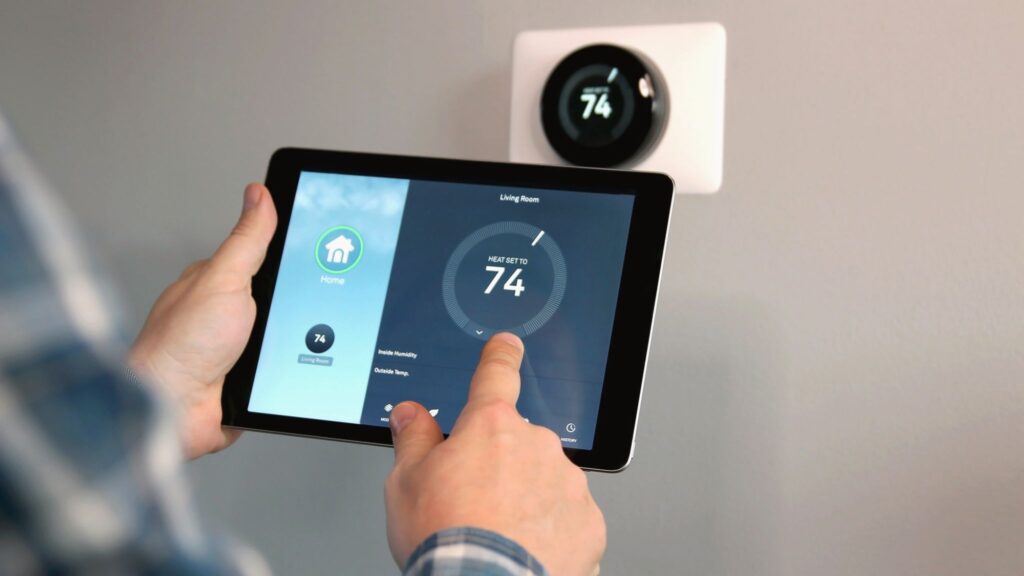
All major smart thermostats work with Google Home and Amazon Alexa for voice control. The differences are in Apple HomeKit support and native voice assistant integration:
- Google Nest Thermostat and Nest Learning 4th Gen: Google Home, Alexa, and Apple HomeKit. Deepest integration with Google Home routines (for example, a “Good Night” routine that locks the door, turns off lights, and sets the thermostat to your sleep temperature).
- Nest Learning 3rd Gen: Google Home and Alexa only. No Apple HomeKit support.
- Ecobee3 Lite and Ecobee Premium: Google Home, Alexa (built into the Ecobee Premium), and Apple HomeKit. The Ecobee Premium has a built-in speaker and microphone, so you can talk to Alexa directly on the thermostat without a separate speaker.
- Honeywell Home T-series: Google Home, Alexa, and Apple HomeKit on most models. Known for reliable scheduling and compatibility with older HVAC systems.
If you are already invested in the Apple ecosystem (iPhone, HomePod, Apple TV as home hub), the 4th Gen Nest or Ecobee are your best options since both support HomeKit natively. If you use Google Home speakers throughout your home, any Nest model is the natural fit. Read our guide to how Wi-Fi thermostats work for more on connectivity and smart home integration.
Common Mistakes UAE Buyers Make
Based on the service calls and reinstallations we handle, here are the five most common mistakes UAE homeowners make when buying a smart thermostat:
1. Buying a thermostat before checking AC compatibility. A Nest Learning Thermostat will not connect to a split AC without an adapter. Buying the thermostat first and discovering this after the fact means either returning it or buying an adapter you did not budget for. Always confirm your AC type first.
2. Assuming DIY installation from YouTube tutorials will work. Most thermostat installation videos on YouTube are made for American homes with 24V central HVAC systems. UAE homes predominantly use split ACs, fan coil units, and 220V wiring, none of which match those tutorials. Incorrect wiring can destroy the thermostat or damage your AC control board. Our common thermostat issues guide covers the most frequent installation mistakes in detail.
3. Buying room sensors for a small apartment. If your studio or one-bedroom has a single AC zone, a remote temperature sensor does not add value. The thermostat’s built-in sensor, mounted on the wall at a central location, reads the room temperature accurately enough for a space under 80 sqm. Save the sensor cost for a future upgrade or a second AC zone.
4. Choosing based on brand prestige instead of AC compatibility. The “best” thermostat is the one that works correctly with your specific AC system. An Ecobee Premium is a better product than a basic Nest Thermostat on paper, but if your split AC’s control board only supports on/off commands (no variable fan speed), the Ecobee’s advanced fan scheduling features go unused. Match the thermostat to what your system can actually support.
5. Forgetting that each AC unit needs its own thermostat. A four-bedroom villa with four split ACs needs four thermostats and four adapters. Budget accordingly. The upside is that all four can be managed through a single app (Google Home or Ecobee), so you get centralized control despite having separate hardware per zone.
Frequently Asked Questions
What is the best smart thermostat for a Dubai apartment?
For most Dubai apartments connected to Empower district cooling, the Nest Thermostat paired with a DropAir iPanel adapter is the most popular setup. It provides app control, home/away detection, and energy reports at the lowest total cost. For apartments with split ACs, the same Nest Thermostat works with a DropAir Mini 6s adapter instead.
Do I need one thermostat per AC unit or one for the whole house?
One thermostat per AC unit. Each split AC, fan coil unit, or ducted zone needs its own thermostat and (if applicable) its own adapter. A villa with five AC units needs five thermostats. All can be managed through a single app for centralized control.
Can I install a smart thermostat on my split AC without an adapter?
No. Split ACs in the UAE use proprietary control protocols that are not compatible with the 24V wiring smart thermostats require. You need a DropAir Mini 6s adapter to bridge the connection. Without it, the thermostat physically cannot communicate with the AC.
Which smart thermostat works with Apple HomeKit in the UAE?
The Nest Learning Thermostat 4th Gen, the standard Nest Thermostat, and all current Ecobee models support Apple HomeKit. The Nest Learning Thermostat 3rd Gen does not support HomeKit. See our Nest model comparison for the full compatibility breakdown.
How much does a complete smart thermostat setup cost in the UAE?
The total cost varies by AC type and thermostat model. A budget setup (Nest Thermostat + adapter + installation) is the most affordable option. A premium setup (Nest Learning 4th Gen + adapter + sensor + installation) costs more but delivers automated scheduling and multi-room sensing. See our installation cost guide for pricing by tier.
How much can a smart thermostat save on my DEWA bill?
Based on our installations across Dubai and Abu Dhabi, a properly configured smart thermostat saves AED 50 to 150 per month during summer months through scheduled cooling and home/away detection. The savings come from eliminating unnecessary cooling during hours when nobody is home and running higher Eco temperatures during sleep. Read our full DEWA savings guide for calculations by home size.
Should I buy a Nest or Ecobee for my UAE home?
It depends on your priorities. Nest integrates most deeply with Google Home and has the widest model range (budget to premium). Ecobee has a touchscreen interface, built-in Alexa on the Premium model, and excellent room sensor support. Both work well in the UAE with the right adapter. See our Nest vs Ecobee comparison for a detailed breakdown.
Not sure which setup is right for your home? Send a photo of your current thermostat or wall controller on WhatsApp at +971 50 633 7803 and we will confirm your AC type, recommend the right thermostat and adapter combination, and give you a quote within minutes. We supply, install, and configure smart thermostats across Dubai, Abu Dhabi, Sharjah, Ajman, Fujairah, Ras Al Khaimah, and Umm Al Quwain.
You can also call us directly at +971 50 633 7803 or browse our full product range to see pricing and availability.